
In 2012, as Charlotte prepared to host the Democratic National Convention, a bus made its way across the country from Phoenix to the Queen City. Painted electric mint and emblazoned with the words Sin Papeles, Sin Miedo (“Without Papers, Without Fear”), it briefly became home to around 30 undocumented workers, students, artists, activists, parents, sons, daughters, and spouses. Together, they embarked on a modern-day Freedom Ride. The intent? To raise awareness of the dehumanization of immigrants in the United States.
From their homes in Charlotte, several young members of the Latin American Coalition followed the journey closely. When at last the bus arrived, they invited the travelers to share a meal and participate in a creative workshop. Moved by their guests’ embodiment of both activism and art, Zuleyma Castrejon, Liz Ojeda, Jessica Contreras, and Megan Gonzalez founded OBRA! in 2013—an artist collective dedicated to supporting Latinx art in Charlotte NC.
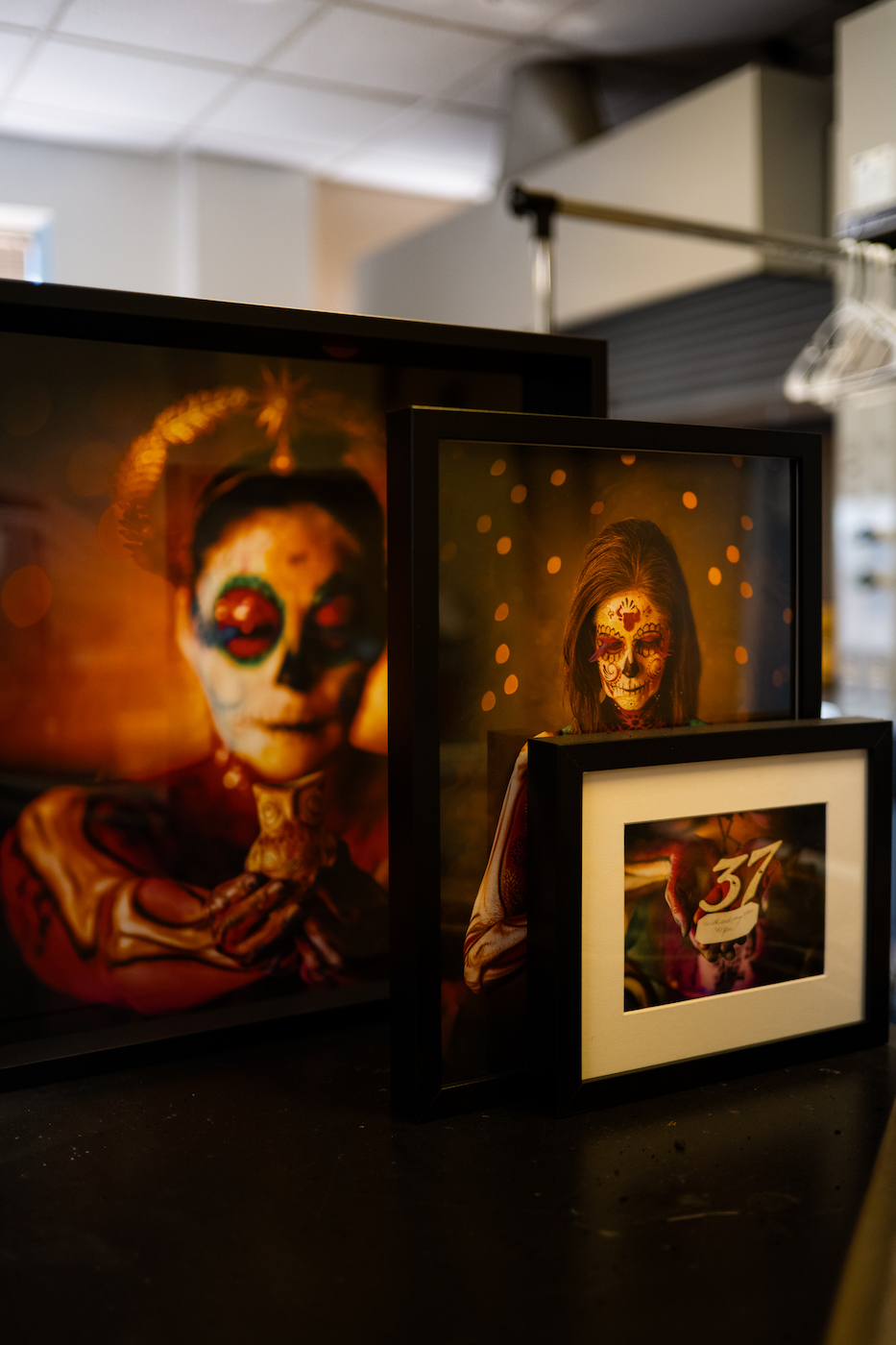
In short, obra is a Spanish word meaning “piece” or “work of art.” However, as the collective’s name, it also functions as an acronym: Observe, Bridge, Respond, Art. “As artists and creatives, we observe the world around us,” explains OBRA! Director Megan Gonzalez, “and we come together as artists to bridge the gap between the affected and those who do not know the issues that immigrants and the Latino community face.”
Mission Built on Three Pillars
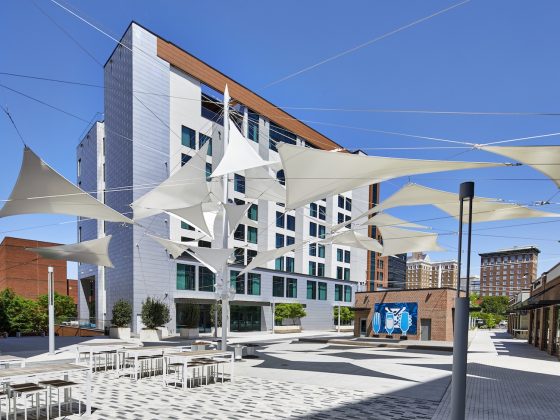
OBRA! advances its mission through three primary offerings: studio space, workshops and classes, and gallery exhibitions. Its studio spaces are provided in partnership with VAPA, located near Fourth Ward and the McColl Center. “Before VAPA, we did not have a physical space,” recalls Gonzalez. “We would do pop-up exhibitions and have artist meet-ups in breweries, parks, or at someone’s house.” Today, OBRA! offers shared studios that are intentionally affordable, helping reduce economic barriers to creative practice and community connection.
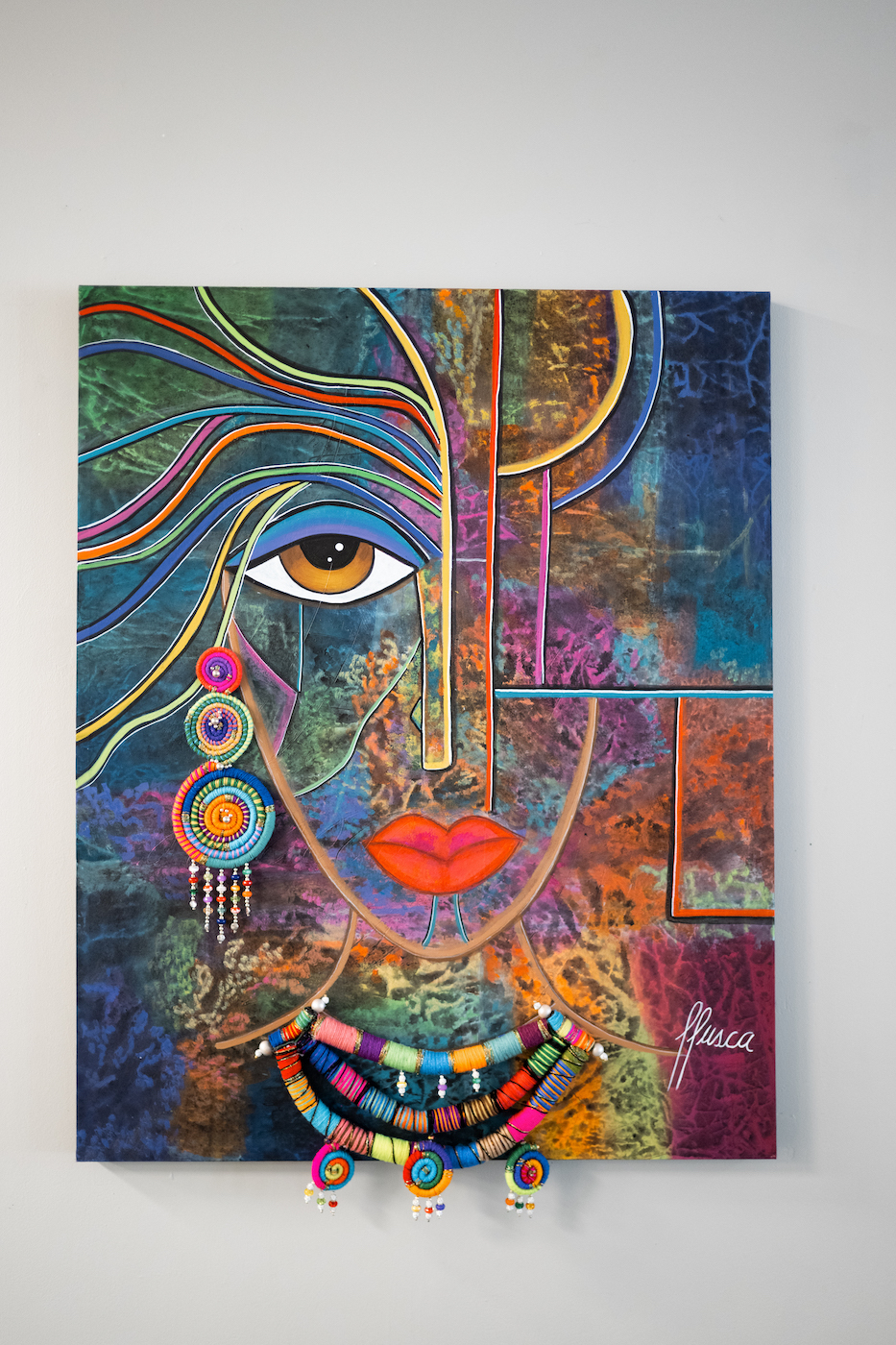
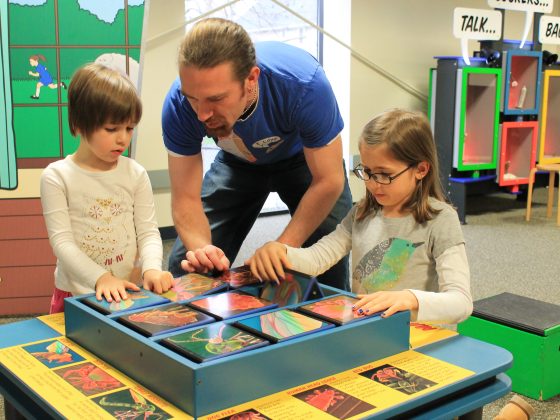
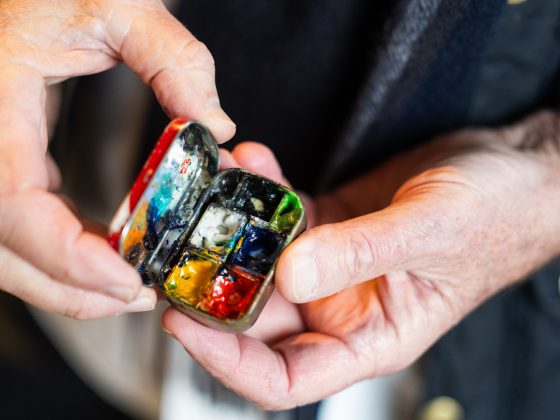
In fact, that same commitment to accessibility shapes OBRA!’s educational programming. Classes are offered in both Spanish and English and are available at no or low cost. Past offerings have included drawing, printmaking, poetry, and dance, while workshops often center culturally rooted practices such as repujado (metal embossing), mini piñata making, kite making, and pesebres (nativity scene arranging). “For many, having a space where their culture is celebrated and understood can significantly improve mental health and well-being, particularly for marginalized groups,” Gonzalez notes.
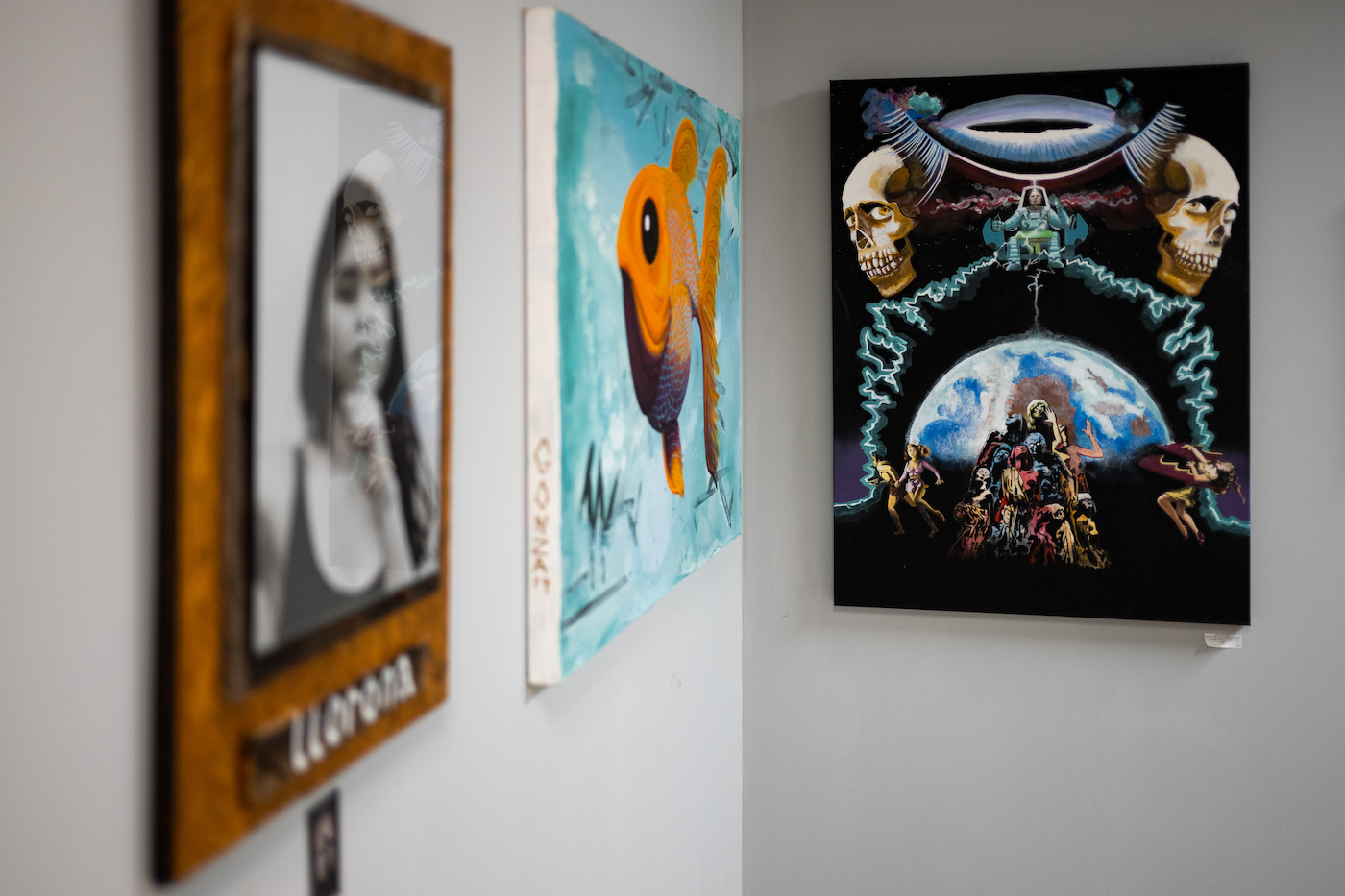
The organization’s third pillar is its gallery program, which features Latinx art in Charlotte NC or exhibitions curated by Latinx voices. When OBRA! started, Gonzalez says, local galleries and museums rarely showcased Latinx artists, despite the abundance of talent in the community. By creating space for representation and visibility, OBRA! continues to use art as a powerful tool for empathy, connection, and social change.
obracollective.org
@obracollective