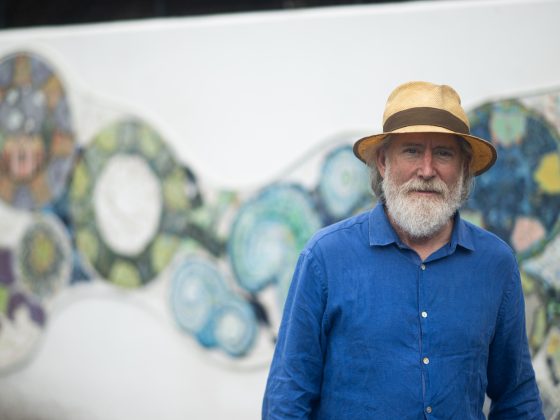


Charlotte artist Gregory Gibson’s story begins in and ultimately circles back to Charlotte, the city where he was born but spent years restlessly orbiting. In his twenties, he hitchhiked across the country, drifting through southern California, up to Oregon and Washington, and back again. At one point, his wanderings even led him to a commune in Oregon.
“They graciously fed me and gave me a place to sleep,” recalls Gibson. “I was on my way the next day.” During this time, Gibson lived almost entirely disconnected from the world he had grown up in. It was an experiment in freedom that would forever influence his portfolio and his personhood.
A gifted draftsman since childhood, Gibson immersed himself early in art and literature, his two creative pillars. To this day, he still carries a notebook with him wherever he goes. In it, he sketches, jots down sentence fragments, records the spark of an idea. So it came as no great surprise when, while living near Pasadena and driving past the ArtCenter College of Design almost daily, Gibson had an epiphany: “This is what I need to be doing.”
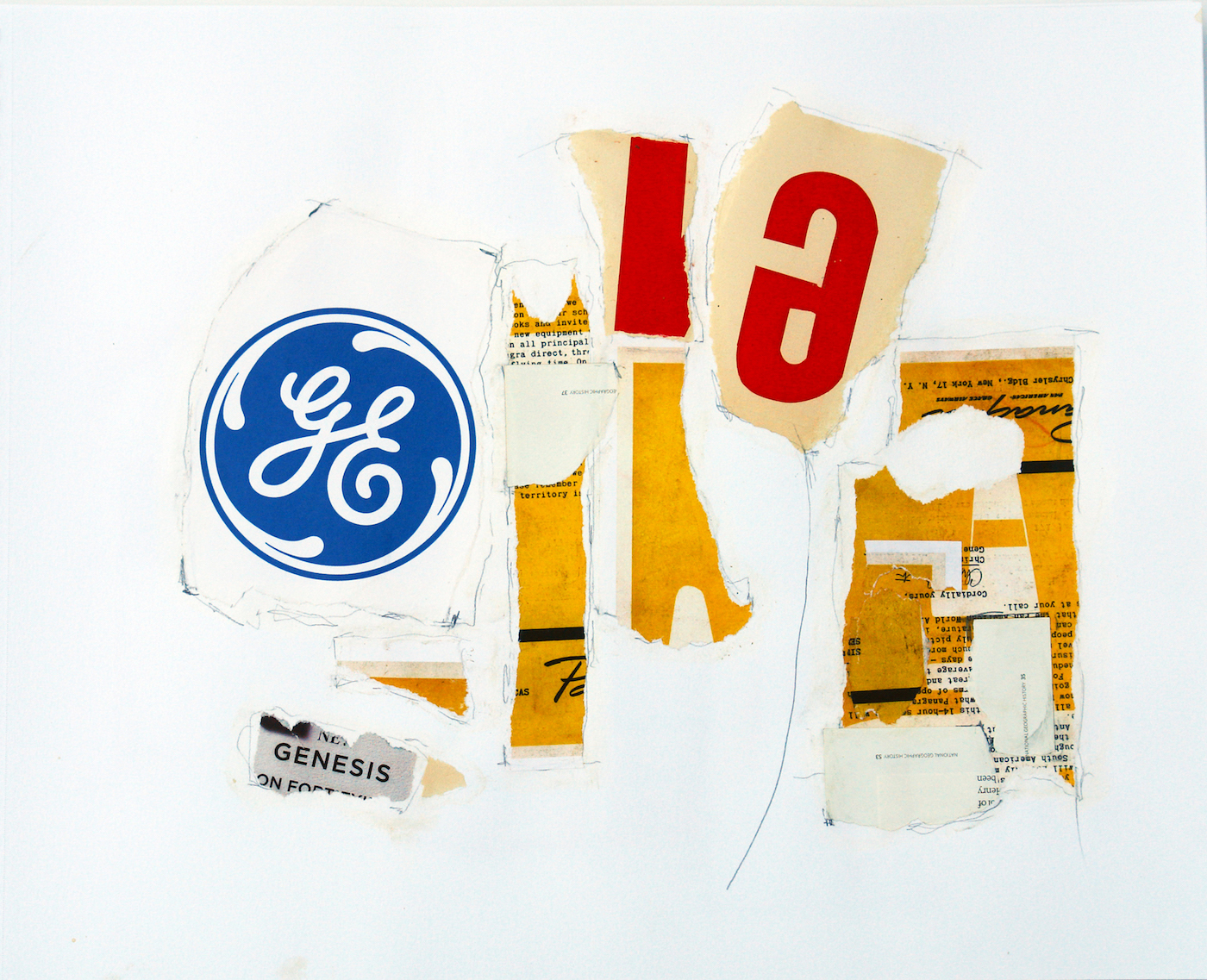
Gritty and Gutteral
He returned to Charlotte to regroup before committing fully to art as a career. In fact, he selected the prestigious Atlanta College of Art for his studies. When he returned to Charlotte, it was with a degree from the same institution that had molded Radcliffe Bailey, Kara Walker, Roe Ethridge, and Maxwell Stevens.
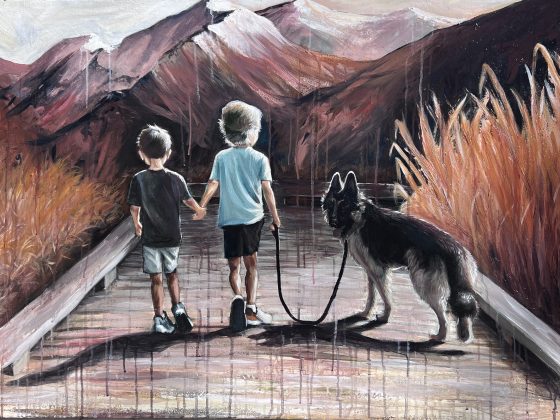
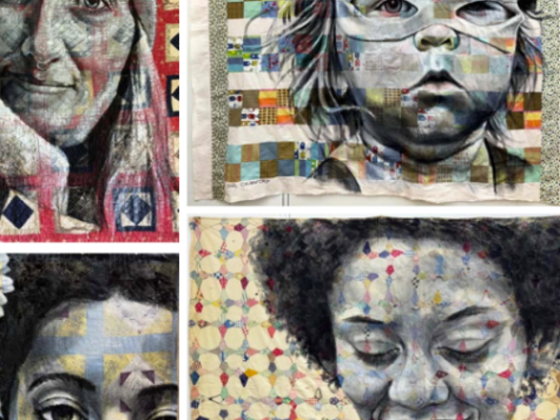
That return to the Queen City set the stage for one of the most meaningful chapters of his career: transforming a historic 1940s movie theater into his personal studio. The opportunity arrived almost like an omen, via an unexpected email from a building owner who had received Gibson’s name anonymously. Despite Gibson’s skepticism, the space was perfect. Or rather, he made it perfect after several months of cleaning and repurposing. Now, the former theatre, once home to films, cartoon shorts, and wartime propaganda, has become his sanctuary and his laboratory. Within this space, Gibson creates pieces that he describes as both “highly spiritual” and “gritty and guttural,” always rooted in his belief that authentic art lives in the tension between light and darkness.
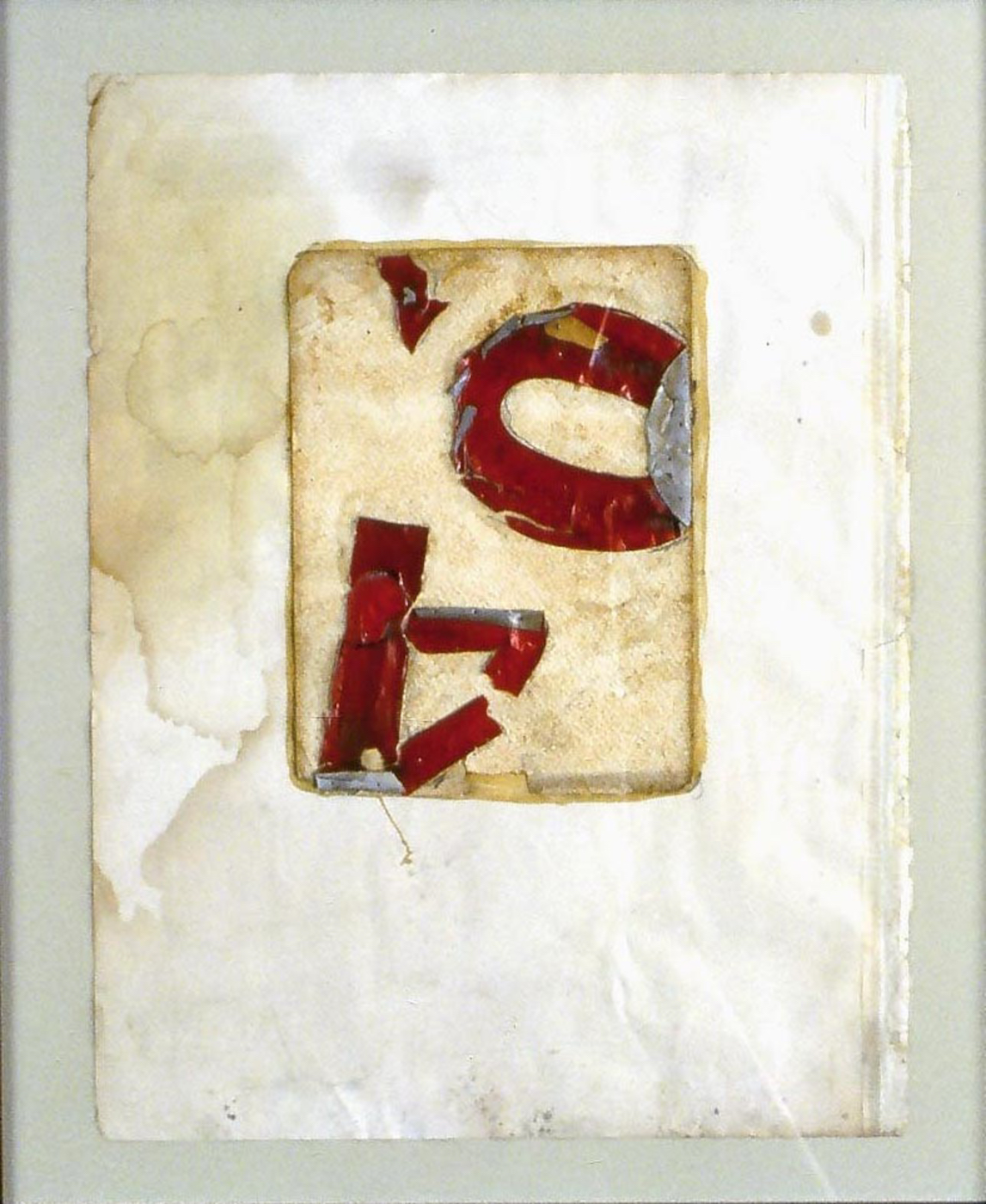
Full Immersion for a Charlotte Artist
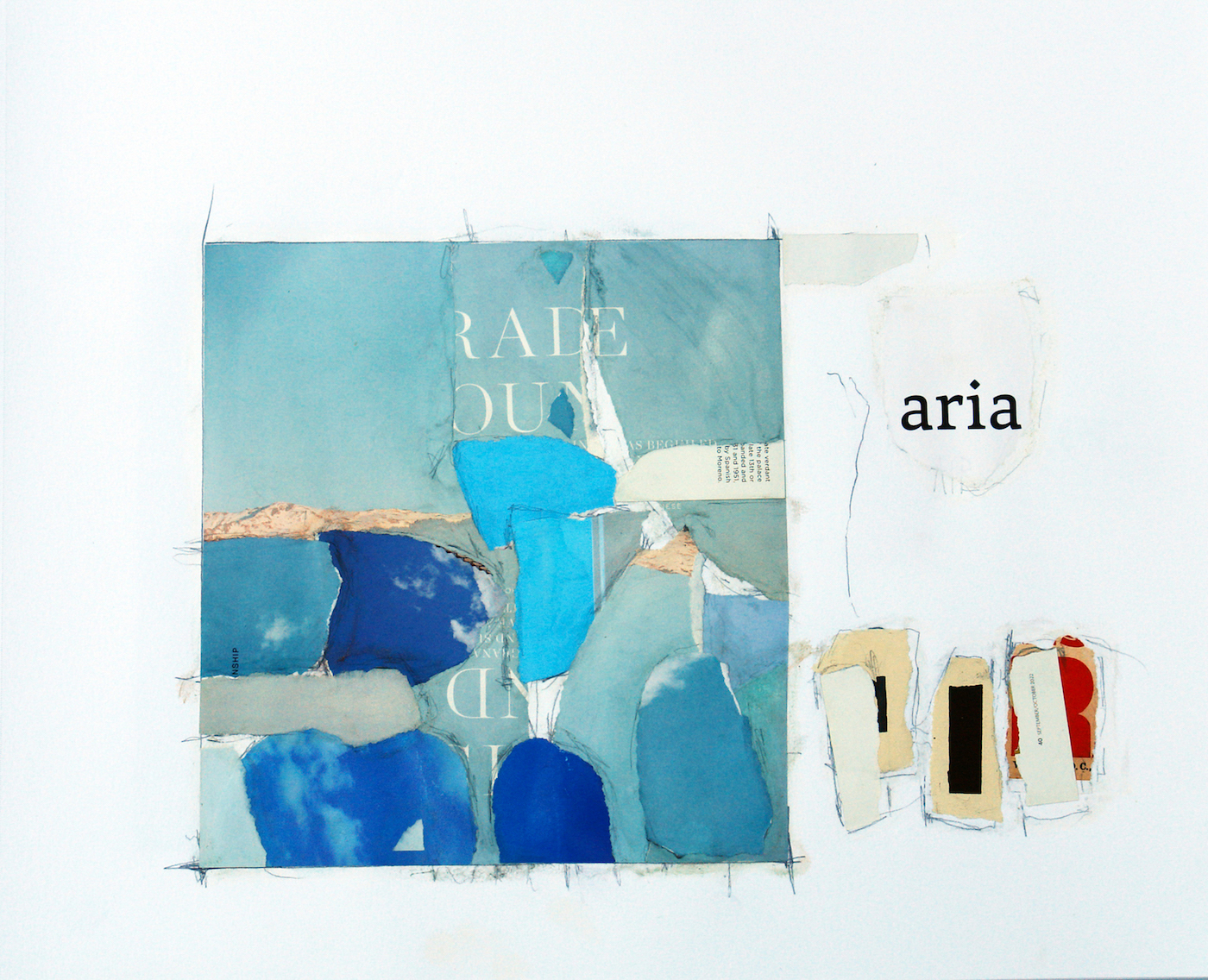
The artistic process, for Gibson, demands total immersion – possibly even an obsession. “You have to be borderline unbalanced,” he offers. He rejects the notion that great art can be made without sacrifice. “Suffering is directly commensurate with reward,” he says. Yet, for all his intensity, Gibson avoids being boxed into categories – stylistic, spiritual, or otherwise. He moves freely between representation and abstraction, letting each idea dictate its own form. What he seeks, echoing Philip Guston, is simple (and also anything but): “I want my paintings to suck the air out of the room.”