
There was a surge of modern architecture in North Carolina during the second half of the 20th century. In short, this surge reshaped the region’s educational, residential, civic, and cultural landscapes. Much of this momentum can be traced to the founding of the NC State School of Design in 1948 and the leadership of its first dean, Henry Kamphoefner. Under his guidance, the program became a national hub for modernist thought. In fact, it attracted faculty whose influence extended well beyond the classroom to landmark buildings like Dorton Arena and the Catalano House. By the 1960s, the Triangle region had developed one of the highest concentrations of mid-century modern homes in the country.
In the decades that followed, architectural expression across the Carolinas expanded beyond strict modernism. For example, the 1970s and 1980s ushered in more regional and contextual approaches. Slowly, firms shaped campuses such as Research Triangle Park through low-profile buildings integrated into natural landscapes. Then, modernist principles also found their way into the mountains of western North Carolina, where contemporary forms were adapted to rugged terrain. By the end of the century, cities began attracting internationally recognized architects. Ultimately, this resulted in major cultural projects like Charlotte’s Harvey B. Gantt Center and the Bechtler Museum of Modern Art.
For a snapshot of the Carolinas’ architectural legacy – and, particularly, modern architecture in North Carolina – add these standout structures to your travel bucket list.
Raleigh, NC
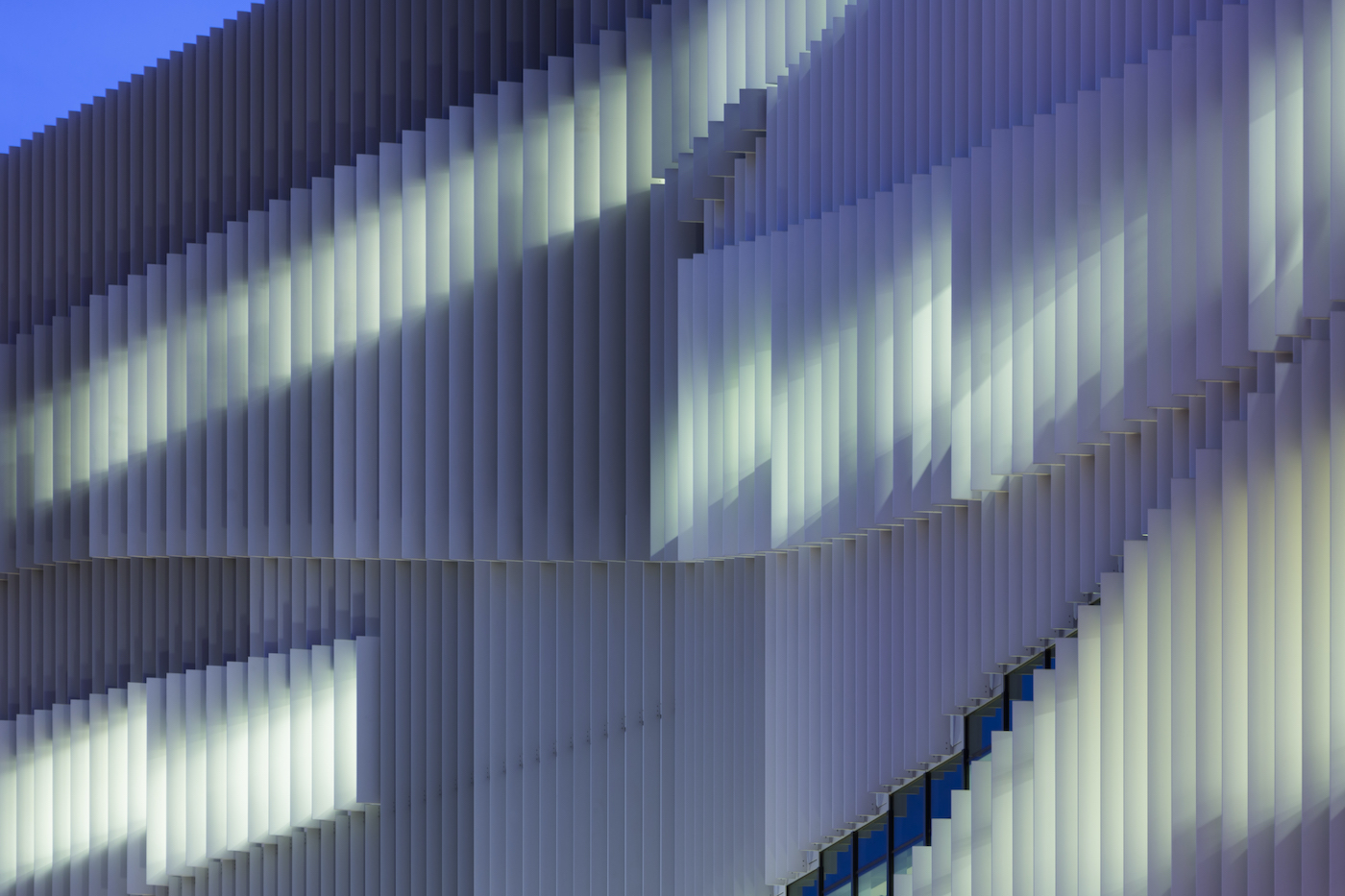
At NC State University, the James B. Hunt Jr. Library (Snøhetta) is a model of sustainable, tech-forward design, featuring fritted glass, aluminum shading, a green roof, and an automated book-retrieval system. Nearby, J.S. Dorton Arena (Matthew Nowicki) remains one of the state’s most innovative structures. Its saddle-shaped roof is suspended by steel cables and concrete arches. On the other hand, the North Carolina Legislative Building (Edward Durell Stone) offers a contrasting approach: a “classicized modernism” defined by marble colonnades, pyramidal roofs, and rooftop terraces.
Wilmington, NC
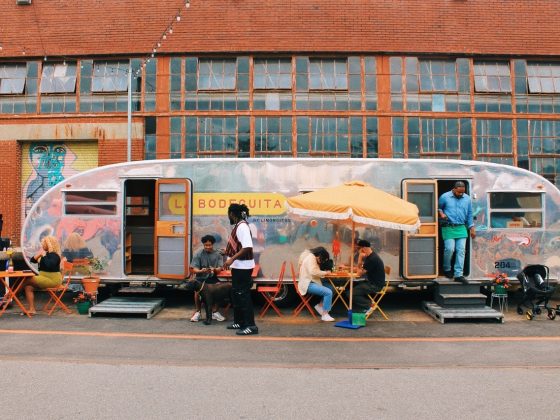
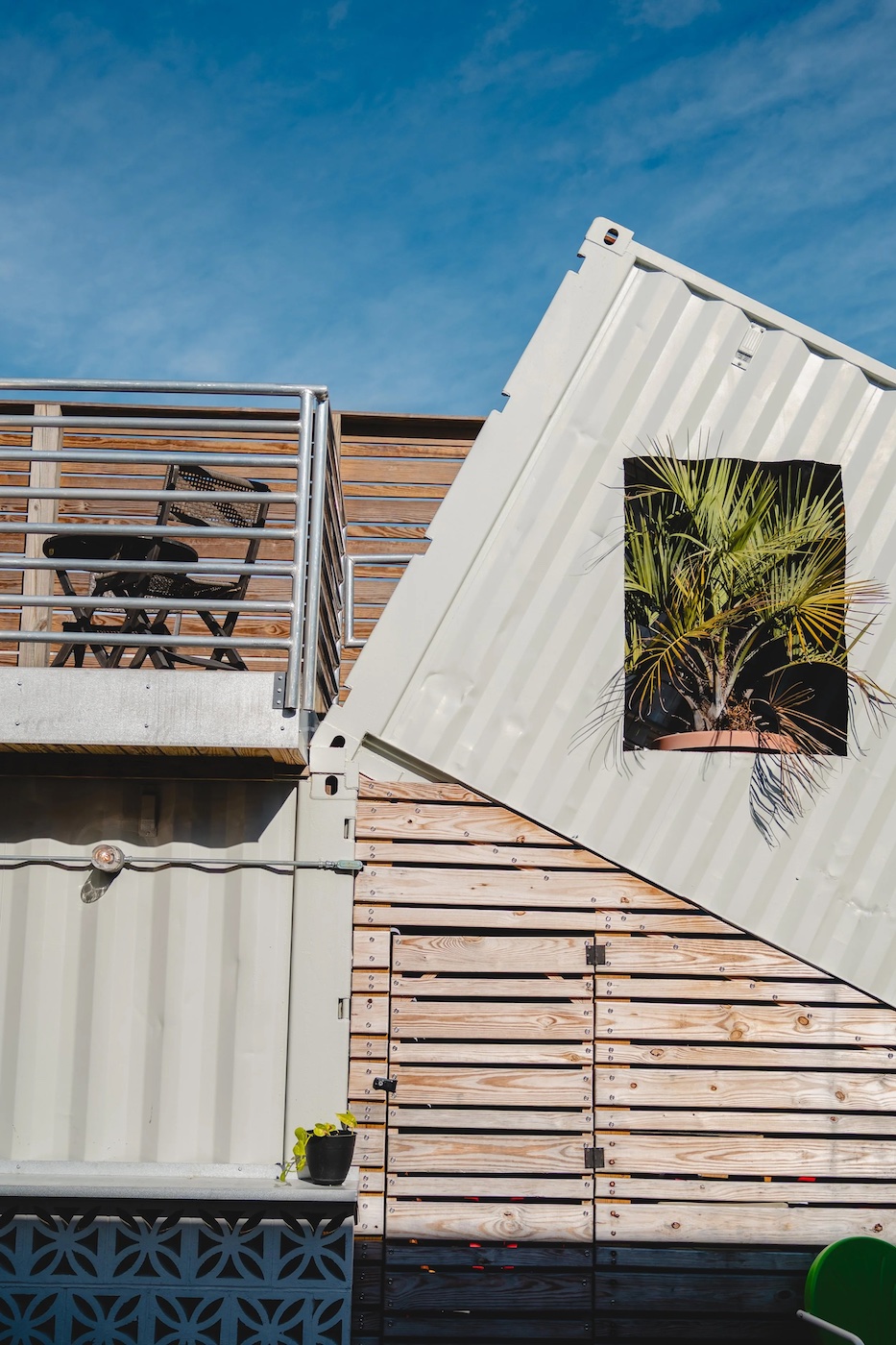
Adaptive reuse takes center stage in Wilmington. The Eagle’s Dare is a former 1970s service station redesigned by Romero Architecture. Notably, it stands as one of downtown’s few remaining postwar modern structures. Nearby, the Cargo District transforms shipping containers into a lively mixed-use neighborhood of shops, food vendors, and creative businesses.
Charlotte, NC
The Bechtler Museum of Modern Art (Mario Botta) is as sculptural as the art it houses, defined by its terracotta cladding and dramatic cantilevered form. Just steps away, the Harvey B. Gantt Center (Freelon Group Architects) weaves architecture and history together. The building references the demolished Myers Street School through its stairways and atrium. Meanwhile, it also incorporates façade elements inspired by African textiles.
Charleston, SC
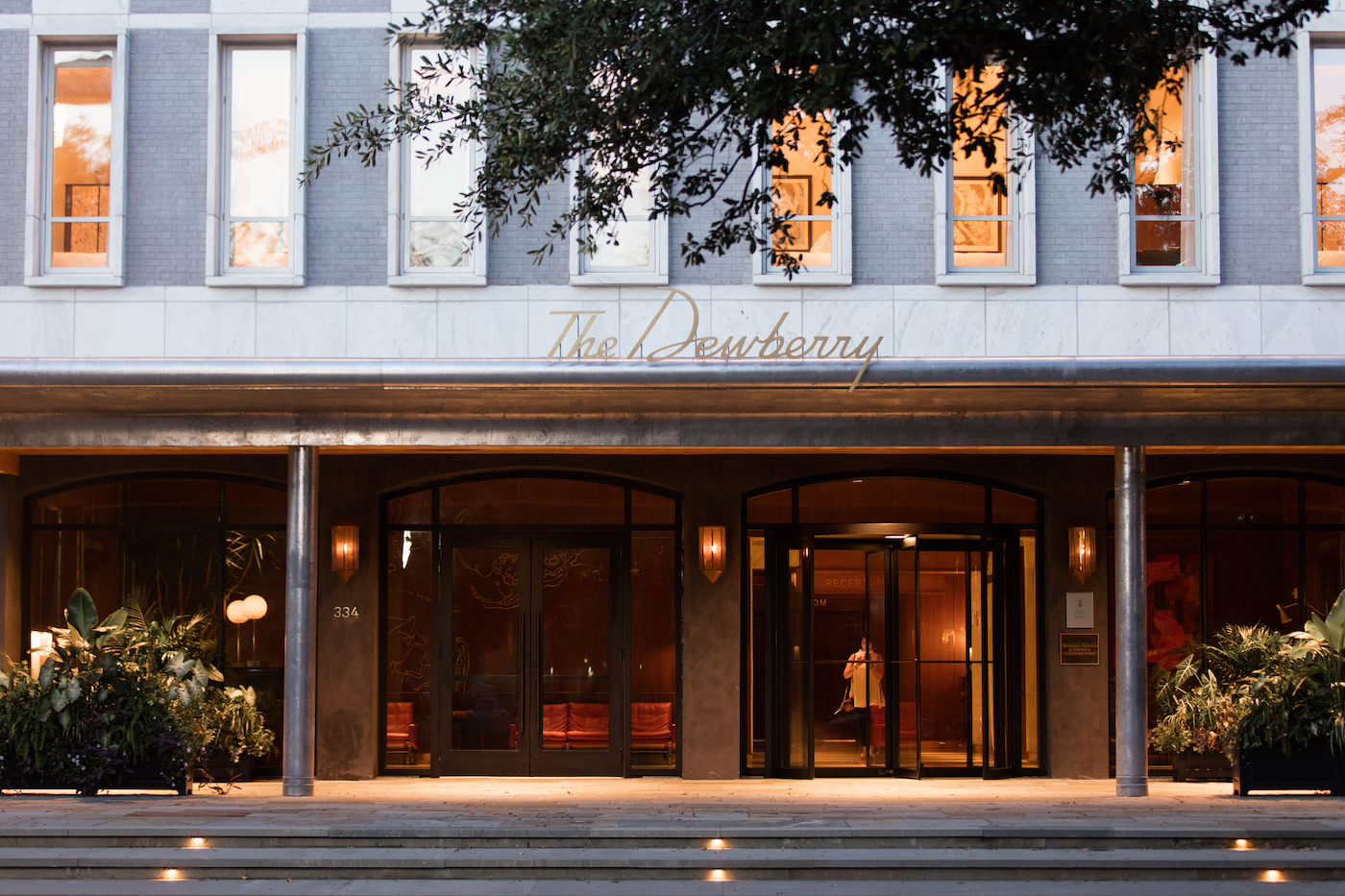
Charleston’s modern architecture tells a quieter but powerful story. The Dewberry hotel reimagines a vacant 1960s government building, preserving its mid-century bones while introducing refined materials. Additionally, the International African American Museum (Pei Cobb Freed & Partners with Moody Nolan), completed in 2023, rises above the historic wharf on cylindrical columns. This allows the site’s layered history to remain visible beneath it.
Greenville, SC
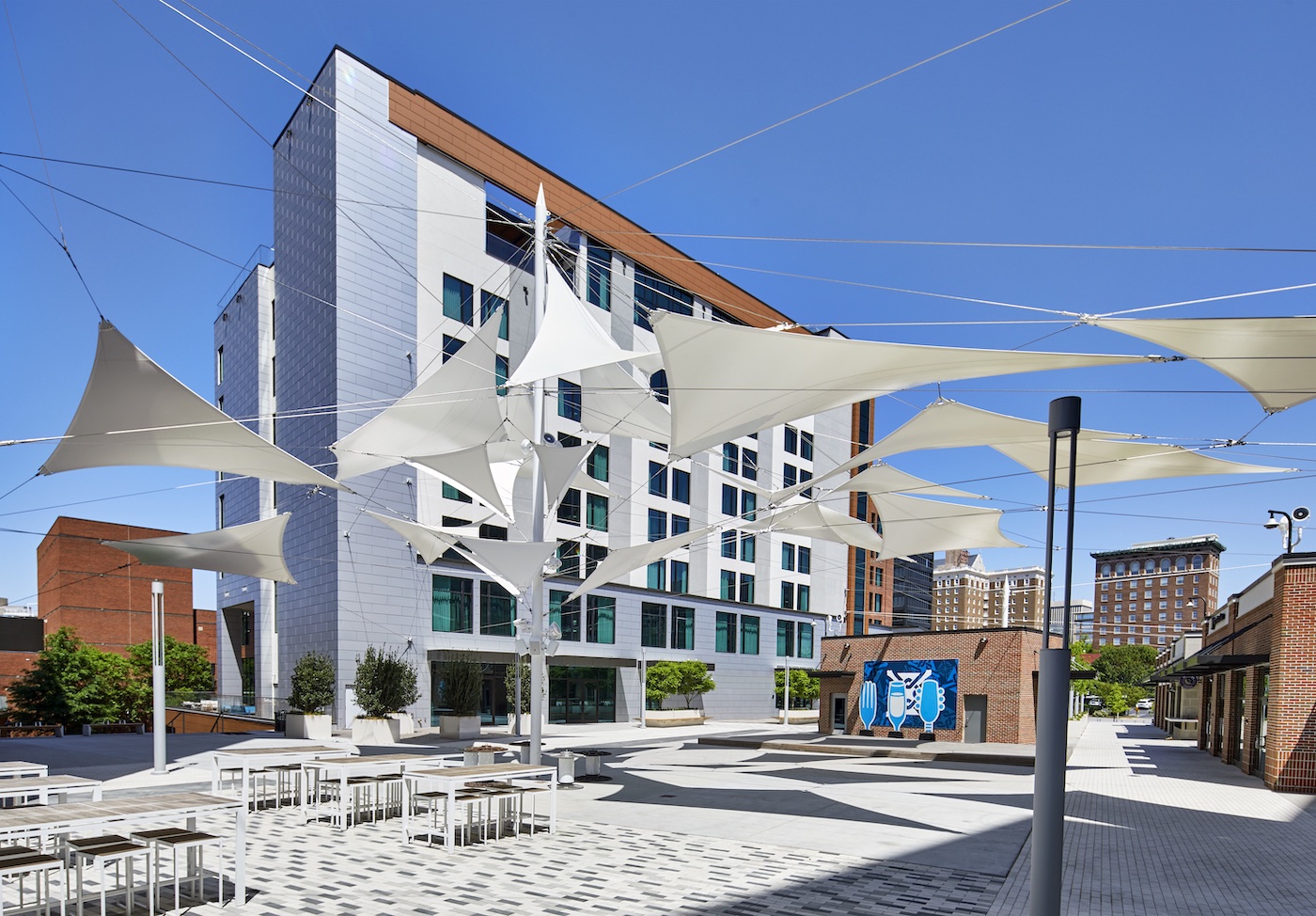
In Greenville, the Landmark (Daniel) Building, once South Carolina’s tallest skyscraper, remains a striking example of mid-century New Formalism. Nearby, the Camperdown development brings contemporary architecture, public space, and mixed-use design together into a walkable urban district overlooking Falls Park.
Together, these sites trace how modernism took root in the Carolinas and continues to evolve. Ultimately, each offers a compelling reminder that modern architecture in North Carolina has long balanced innovation with a strong sense of regional identity.